Statement to the 79th World Health Assembly
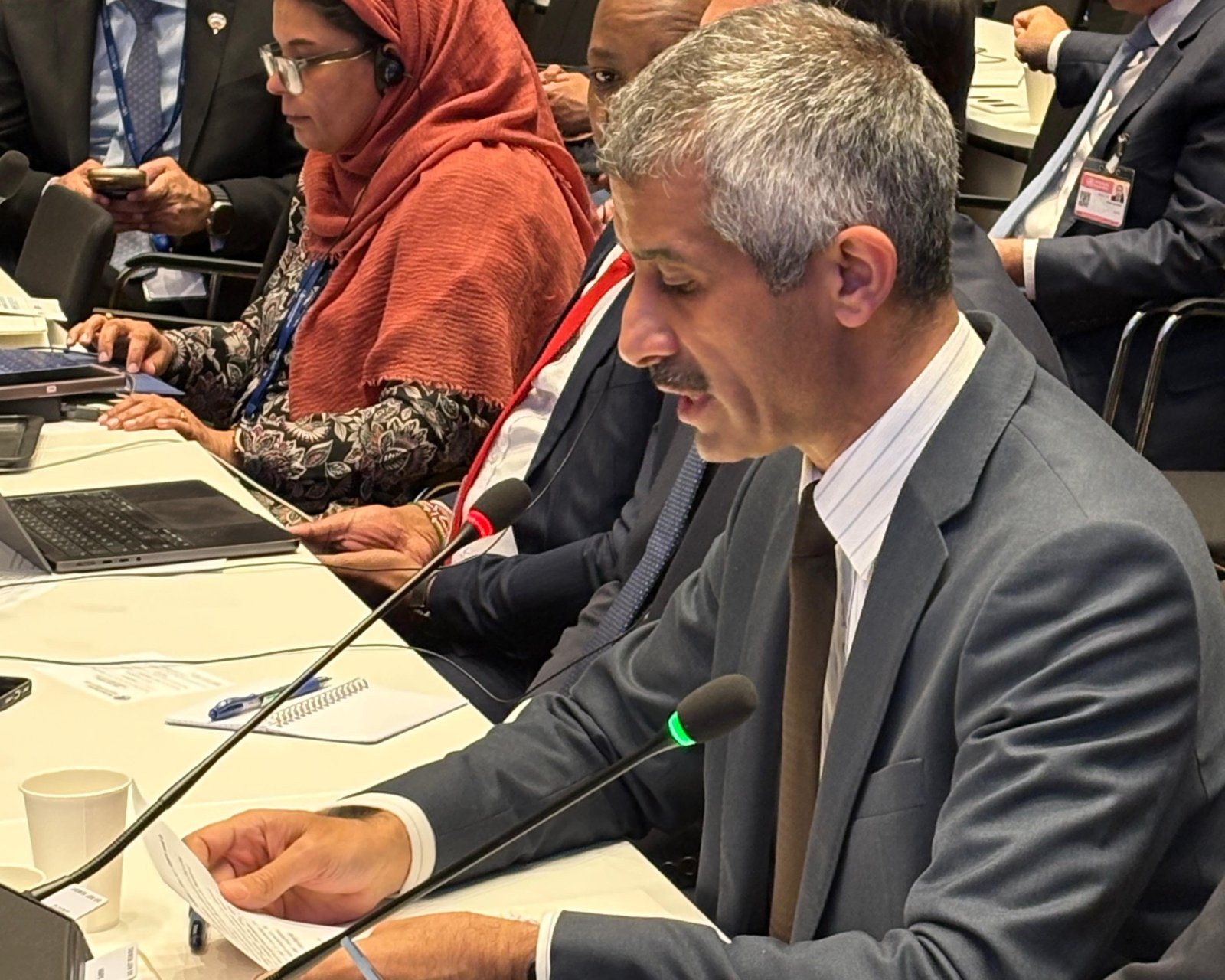
I am honoured to deliver this statement as Co-Chair of the Group of Friends for the Declaration on the Protection of Humanitarian Personnel.
This statement is delivered on behalf of the Ministerial Group for the Protection of Humanitarian Personnel, namely Australia, Brazil, Colombia, Indonesia, Japan, Sierra Leone, Switzerland and my own country, Jordan.
We recognise WHO’s central role in coordinating and responding to multiple, concurrent health emergencies. We commend its staff on the ground for their exceptional dedication and resilience, often under the most challenging circumstances.
We are deeply alarmed by the escalating threats to the safety of medical and humanitarian personnel, particularly local personnel, who continue their work amid armed conflict and increasing attacks on staff, assets, facilities, and the communities they serve.
International humanitarian law is clear. Medical personnel are specifically protected. Medical and humanitarian personnel must be protected and respected. Yet, this alarming trend persists. In 2025 alone, at least 335 humanitarian personnel were killed. WHO surveillance records 284 medical personnel impacted by attacks on health care over the past year.
We also condemn in the strongest terms actions that have resulted in the killing of United Nations peacekeepers and significantly increased the risks faced by medical and humanitarian personnel.
To date, 112 Member States have endorsed the Declaration on the Protection of Humanitarian Personnel, reaffirming their commitment to respect international humanitarian law and to strengthen protection, prevention, and accountability.
The Declaration, alongside relevant UN Security Council Resolutions, including 2286 and 2730, and the Global Initiative to Galvanize Political Commitment to International Humanitarian Law, reinforce obligations under international humanitarian law while underscoring the imperative to protect those delivering care in crisis settings.
Attacks directed against those who save lives violate the very rules designed to protect them, harm vulnerable communities, and undermine our shared humanity.
As WHO considers how best to prioritise its efforts and partnerships in increasingly complex emergencies, we urge the Assembly to seize this moment. Now is the time to act on our collective commitment to respect and uphold international humanitarian law, including to protect those who act to protect others.